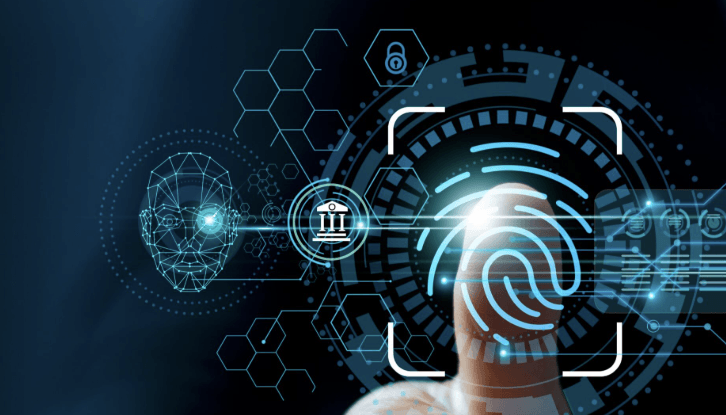
Biometric authentication converts a unique human trait into a digital signal. It preprocesses raw data to reduce noise and extracts discriminative features that form a compact template. Verification compares a live sample to stored references using a defined decision rule. Systems must handle spoofing, privacy, and cross-device variability. The balance between security and usability depends on robustness of capture, quality of features, and the chosen matching threshold, leaving technical trade-offs to be explored.
What Biometric Systems Do and Why They Matter
Biometric systems capture and compare unique physiological or behavioral characteristics to verify or identify individuals. They enable secure authentication and streamlined access control, reducing reliance on passwords. Privacy risks arise if data is mishandled. Effective data governance, explicit user consent, and transparent policy design mitigate concerns. Cross device compatibility ensures consistent performance across platforms, supporting scalable, user-centric security without compromising freedom.
The Core Steps: From Capture to Match
The sequence of biometric processing begins with capturing a raw signal from the chosen trait, followed by preprocessing to remove noise and normalize the data.
Feature extraction isolates discriminative attributes, creating a compact representation.
Matching compares live features against stored references, yielding a decision.
Emphasis on capture accuracy and template security ensures robust verification while maintaining user autonomy and system integrity.
Popular Methods: Strengths, Limitations, and Use Cases
Various biometric modalities offer distinct trade-offs in accuracy, enrollment ease, and resistance to spoofing, shaping their suitability for specific applications. This section surveys popular methods, detailing strengths, limits, and representative use cases. It notes biometric spoofing risks and the role of privacy preserving techniques in template storage, template protection, and secure matching, emphasizing deployment considerations without delining into balancing user experience.
Balancing Security, Privacy, and User Experience
The discourse centers on privacy tradeoffs and accessibility concerns while preserving robustness, consent, and transparency.
Tradeoffs emerge between data minimization, device compatibility, and false match rates, guiding deployers toward user-centric, auditable, and interoperable solutions.
Frequently Asked Questions
Are Biometrics Legally Protected in My Country?
Legally, biometrics protection varies by country; privacy laws and consent regimes govern use. In many jurisdictions, explicit consent and stringent data safeguards exist, though exemptions may apply for security or national interests, creating uneven protections for individuals seeking freedom.
How Is Biometric Data Stored and Encrypted?
Biometric data is stored as protected biometric templates, not raw samples, and encrypted in transit and at rest. Biometric template security hinges on one-way representations; legal protections vary, with jurisdictions balancing privacy rights and security benefits.
Can Biometrics Be Reset Like Passwords?
Biometrics cannot be reset like passwords; once compromised, the trait persists and requires revocation. The privacy implications include potential misuse and long-term exposure, while error rates affect re-enrollment decisions and system resilience under varied sensor conditions.
Do Biases Affect Accuracy Across Demographics?
The river of data splits, revealing bias impact as rocks; currents vary by shore. Demographic fairness depends on equitable sampling, algorithmic calibration, and validation. Bias affects accuracy across demographics, demanding transparent metrics and continuous auditing for reliable outcomes.
See also: newspostbulletin
What Happens if a Biometric System Is Compromised?
If a biometric system is compromised, dissemination of biometric data enables biometric spoofing and persists beyond resets, undermining trust; privacy risks escalate as stolen templates can be repurposed, exploited, or reverse-engineered, requiring revocation processes and robust, persistent safeguards.
Conclusion
Biometric systems transform an individual’s unique trait into a digital template through careful capture, preprocessing, feature extraction, and secure matching. The process must guard against spoofing, protect privacy, and remain usable across devices. In practice, robust implementations balance accuracy, speed, and resilience with privacy-preserving techniques and revocability. Like a finely tuned instrument, a well-designed system harmonizes enrollment, template management, and verification to deliver reliable identity assurance without compromising user experience or data security.