Spider veins are one of the most common vein concerns among adults, affecting millions of men and women each year. These small red, blue, or purple veins often appear in web-like patterns on the legs, ankles, and occasionally the face. While many people view them as a cosmetic issue, spider veins can sometimes signal underlying vein disease and should not always be ignored.
If you’re wondering how to get rid of spider veins, understanding what causes them and which treatments are most effective can help you make an informed decision.
What Are Spider Veins?
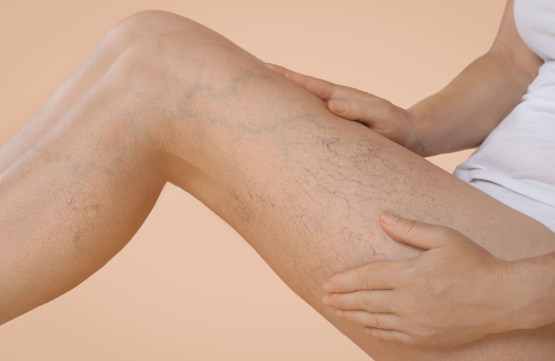
Spider veins, medically known as telangiectasias, are tiny dilated blood vessels that develop near the surface of the skin. They typically appear as:
- Red, blue, or purple lines
- Spiderweb-like patterns
- Branching clusters
- Thin visible veins on the legs, ankles, or feet
Although spider veins are smaller than varicose veins, they can sometimes occur alongside larger vein problems and may indicate an underlying circulation issue.
See also: Transform Your Life: The Profound Benefits of Vrede Terapi
What Causes Spider Veins?
Several factors can increase your risk of developing spider veins.
- Genetics – Family history is one of the strongest risk factors. Many people who develop spider veins have relatives who also experienced vein issues.
- Hormonal Changes – Pregnancy, menopause, and hormonal fluctuations can weaken vein walls and increase pressure within blood vessels, making spider veins more likely to develop.
- Prolonged Sitting or Standing – Occupations that require long hours sitting or standing can make it harder for blood to circulate efficiently through the legs, increasing pressure inside the veins.
- Aging – As we age, vein walls and valves naturally become less efficient. This makes spider veins more common as people get older.
- Excess Weight – Carrying excess weight can place additional stress on the veins and contribute to circulation issues that may lead to visible veins.
Can Spider Veins Go Away Naturally?
Unfortunately, spider veins rarely disappear on their own.
While healthy lifestyle habits may help improve circulation and reduce the risk of developing new spider veins, existing visible veins generally do not fade completely without treatment.
Some people notice slight improvement in appearance with exercise, weight management, or compression stockings, but these measures typically help manage symptoms rather than eliminate existing veins.
How to Get Rid of Spider Veins
Sclerotherapy
Sclerotherapy is widely considered the gold standard for treating spider veins. During this minimally invasive procedure, a vein specialist injects a specialized solution directly into the affected veins. The solution causes the vein walls to collapse and seal shut.
Over time, the treated veins are naturally absorbed by the body and gradually fade from view. This procedure is performed in an outpatient setting and typically takes less than an hour.
Visual Sclerotherapy
For smaller spider veins, visual sclerotherapy is often used to precisely target visible surface veins. This treatment can significantly reduce their appearance while improving overall vein aesthetics.
Laser Therapy
Laser treatments may be appropriate for certain small spider veins, particularly those located on the face or in areas where injections may be less practical. Laser energy heats and closes targeted blood vessels, allowing them to fade over time.
A vein specialist can determine whether laser therapy or sclerotherapy is more appropriate based on the location and size of the veins.
What Happens After Treatment?
Recovery from spider vein treatment is generally quick.
Many patients:
- Return to normal activities the same day
- Resume walking immediately after treatment
- Experience little to no downtime
- Notice gradual fading over several weeks
Compression stockings may be recommended after treatment to support healing and improve results. Depending on the extent of the spider veins, multiple treatment sessions may be recommended.
Can Spider Veins Come Back?
The veins treated with sclerotherapy generally do not return. However, spider veins can develop in new areas over time, especially if underlying risk factors remain.
Maintaining healthy circulation may help reduce your risk of developing additional spider veins. Consider:
- Staying physically active
- Maintaining a healthy weight
- Avoiding prolonged sitting or standing
- Elevating your legs when possible
- Wearing compression stockings if recommended by your physician
Should Spider Veins Be Evaluated by a Vein Specialist?
Many people assume spider veins are purely cosmetic, but visible veins can sometimes be an early sign of underlying vein disease.
Spider veins may appear years before larger varicose veins develop and can serve as an early indicator of circulation problems. If your spider veins are accompanied by aching, heaviness, swelling, leg fatigue, or other symptoms, a vein evaluation can help determine whether an underlying venous condition is present.
A vein specialist may recommend a duplex ultrasound to evaluate blood flow and determine whether venous insufficiency is contributing to your symptoms or visible veins.
The Bottom Line
Spider veins are common, but they do not usually disappear on their own. While healthy lifestyle habits may help support circulation, the most effective way to remove existing spider veins is through minimally invasive treatments such as sclerotherapy.
If you have spider veins that are becoming more noticeable or are accompanied by symptoms such as aching, heaviness, swelling, or leg fatigue, a vein evaluation can help determine the best treatment approach for your individual needs.