You might have heard of a popular misconception that orthopedic ankle braces are strictly meant for severe sports injuries and post-surgery rehab. The reality? A large number of people use ankle supports every day to combat the strain of modern life. Ankle joints take a daily beating.
From navigating uneven city sidewalks to enduring long shifts on your feet. They simply bear the whole amc long-term joint health.
Let’s explore the details on when and how to choose an ankle support brace for your everyday routine.
Understanding the Function of Ankle Supports
An ankle support provides compression to the soft tissues surrounding the joint. This compression reduces swelling and provides sensory feedback to your brain. Your brain becomes more aware of your joint position.
This helps prevent missteps as a result. Wearing a brace does not weaken your joint when used correctly. It functions as an assisting aid to manage daily discomfort. It offers peace of mind during long walks or extended periods of standing.
Benefits of Using Ankle Braces Daily
An ankle brace offers several advantages.
- It delivers consistent pressure to control minor inflammation
- It stabilizes the joint structure during sudden structural shifts
- It minimizes the discomfort caused by old, recurring injuries
- It fits easily into standard footwear for discrete daily protection
- It encourages a more natural walking stride by reducing pain and alignment issues
These benefits help you maintain your independent mobility throughout the day. Consistent support enables you to focus on your work instead of joint discomfort.
Types of Ankle Braces for Regular Wear
Selecting the right ankle aid means being aware that different levels of support suit different daily tasks.
| Compression Sleeves | Strap and Wrap Supports | Lace-Up Braces |
| Made from flexible knitted elastic and neoprene fabricSlide smoothly over the foot like a thick sockOffer mild compression and maximum breathabilityBest for all-day office wear and minor fatigue management | Features adjustable elastic bands that wrap in a figure-eight patternEnables you to customize the tightness around the heel and archProvide moderate stability for walking and light activitiesIdeal for individuals who experience fluctuating joint swelling | Utilize laces to secure the foot firmly inside the deviceOften include removable plastic or metal side insertsRestrict side-to-side movement and enable forward bendingSuited for severe instability and the early weeks of injury recovery |
When to Use an Ankle Support for Daily Use?
Particular scenarios justify the regular use of an ankle brace. Recognizing these moments helps you protect your joints proactively.
Recovering From Minor Sprains
A minor twist can leave ligaments stretched and sensitive. Wearing a support during the weeks after a strain protects the healing fibres. It prevents minor slips from turning into further injury.
Managing Chronic Joint Weakness
Some individuals have naturally flexible/weak ligaments. This condition can make the ankle feel unstable on uneven ground. Daily use of an ankle brace provides the firm boundary your ligaments lack.
Handling Extended Periods of Standing
Occupations such as teaching and healthcare require prolonged hours of standing on hard surfaces. This constant downward pressure fatigues the muscles around the ankle. An ankle sleeve distributes this pressure more evenly.
Walking on Uneven Terrain
Walking on uneven and hard-surfaced grounds increases the risk of a twist. A lightweight ankle brace adds a layer of safety during your daily travels.
Instructions for Applying an Ankle Brace
Correct placement ensures your brace functions efficiently without restricting blood circulation. Follow these instructions for a comfortable and productive fit.
1. Position your foot
Sit on a comfortable chair and hold your foot at a ninety-degree angle to your shin
2. Slide on the sleeve
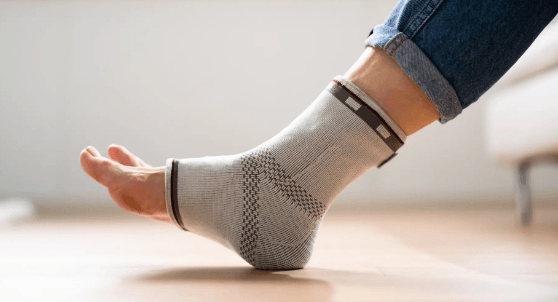
Pull the sleeve over your toes and heel. Make sure the woven heel pocket aligns with your heel
3. Secure the straps
Cross the adjustable straps over the top of your foot and wrap them securely under your arch
4. Check your footwear
Put on your shoe and walk a short distance to ensure the fabric does not pinch your skin
See also: How to Reach Dayara Bugyal from Delhi and Dehradun
Final Thoughts
The bottom line? You don’t have to live with daily ankle fatigue. Protecting your ankle mobility begins with just simple measures. That is when an ankle support comes into use. Incorporating it into your routine helps manage joint fatigue and prevents minor discomfort from becoming major setbacks. However, consider your brace as a supportive aid instead of a complete replacement for your body’s natural strength.
Match the ankle brace with your activity type and intensity. Assess factors, including the kind of pain and injury you have. Also assess its severity. Consider the intensity of activities you want to engage in, and do not sacrifice circulation for tightness. Again, take breaks to remove the brace. Wash your gear regularly to maintain its elasticity and hygiene. Seek reliable assistance and guidance from healthcare experts. Taking care of your ankles today ensures independent and confident mobility tomorrow.