Category: Health

  • 6 Peptide Providers I’d Actually Trust in 2026, Ranked From My Shortlist

    6 Peptide Providers I’d Actually Trust in 2026, Ranked From My Shortlist

    The peptide space got reshuffled hard this year. Several well-known compounders quietly narrowed their catalogs or stopped shipping certain compounds altogether after regulatory pressure in early 2026 pushed smaller pharmacies to consolidate or exit. At the same time, the research-vendor side of the market kept growing, with new batches, new compounds, and zero change in the one thing that separates it from clinical dispensing: there is still no prescriber, no oversight, and no chart. Those two worlds, clinical compounding and research sales, are not comparable by price alone. They are different categories. I want to be upfront about that before I get into the names.

    Here is how I would actually spend my money, ranked.

    1. FormBlends

    The reason this sits at the top of my list has nothing to do with marketing. It comes down to structure.

    FormBlends works through a telehealth intake, a licensed physician reviews your information, writes a script if appropriate, and the order ships from a 503A-licensed pharmacy operating under cGMP standards with FDA inspection on record. That chain, patient to prescriber to licensed pharmacy, is not the norm in this space. Most places skip two of those three steps entirely.

    The catalog is the other thing. Almost every GLP-1-focused telehealth brand sells semaglutide, maybe tirzepatide, and nothing else. Most research peptide sellers have the full range but no clinical structure around any of it. FormBlends does both under one roof: GLP-1 compounds at the physician-supervised level and a broad peptide catalog that includes BPC-157, TB-500, sermorelin, NAD+, thymosin alpha-1, and a long list of others, all dispensed the same way, through the same pharmacy.

    Pricing is visible before you sign up. No membership stacked underneath. BPC-157 runs $54 per vial, TB-500 is $49, and CJC-1295 with ipamorelin lands at $69. Compare that to what some research vendors charge for a product with no prescriber and no endotoxin test on record, and the clinical option starts looking like a different value proposition entirely.

    On purity: mass spectrometry identity confirmation is run on every batch, and the published numbers are per product, not a generic “we test everything” claim. BPC-157 comes back at 99.2% purity. Those numbers are posted before you buy. That specificity matters. It means someone is accountable for the figure.

    Ships to 47 states. The compounded medications are not FDA-approved products, which is standard for 503A compounding and is worth understanding before you order anything.

    2. Pepthrive

    Pepthrive has earned consistent community trust, and not just because people say nice things about it on forums. The batch-specific COA model is the real signal. You can look up the certificate tied to your actual lot number, not a general document that applies to all batches from a given month. Their catalog covers the compounds most people are actually looking for: BPC-157, TB-500, CJC-1295, ipamorelin. Support is genuinely responsive. For a research-only vendor, those two things together put them near the top of that category.

    No prescription. No clinician. Research use only.

    3. Paramount Peptides

    Independent purity testing roundups have flagged Paramount’s BPC-157 as one of the cleaner products on the market, with scores around 9.6 out of 10. That is third-party validation, not self-reported. For buyers who prioritize verified purity above all else and are shopping in the research-vendor space, Paramount is the name I keep seeing come up in serious discussions. Not flashy. Consistent.

    4. Verified Peptides

    They were doing third-party lab testing before most vendors even had a COA policy, with documented reports going back to 2019. That history matters. It means their testing program has been stress-tested across market conditions, supply chain disruptions, and years of batch variation. For someone who wants a vendor with a longer track record of third-party accountability, Verified Peptides is a reasonable pick.

    5. Ascension Peptides

    US-based, third-party tested, and fast on domestic shipping. Those three things in combination make Ascension a practical option for buyers who need something quickly and do not want to wait on international shipping windows. The catalog is broad. The COA documentation is public. Nothing exotic about the pitch, which is exactly why some buyers prefer it.

    6. Honest Peptide

    The name is a little on the nose, but the testing policy is what backs it up. Every batch goes through third-party analysis covering purity, weight accuracy, and contaminant screening. Three independent checks per batch, stated clearly on the site. That is a more complete testing statement than many vendors publish, and in a space where contamination is a legitimate concern, the weight and contaminant testing beyond just purity percentage is worth noting.

    The Line That Actually Matters in 2026

    For anyone peptide ranked 2026 comparisons, the most useful question is not which research vendor has the best COA. The question is whether you want clinical structure around what you are using or not. Research vendors sell compounds for laboratory and investigational purposes. They say so explicitly. The evidence base for most peptides in humans is thin, preliminary, and in many cases limited to animal models or very small trials. That is not a knock on the vendors. It is just honest.

    FormBlends sits in a different lane because a licensed physician and a regulated pharmacy are both in the chain. That comes with different legal standing, different accountability, and different pricing logic.

    The others on this list are among the more credible options in the research-vendor category. But they are not clinical providers. Know which one you are buying from and why.

    *This article reflects one writer’s informed editorial opinion based on publicly available information as of mid-2026. Before using any peptide compound, especially in a clinical or self-administered context, run it by a qualified healthcare professional who knows your full picture.*

    Sources

    • FDA: Compounding Pharmacy Oversight and 503A Guidelines (FDA.gov)
    • Examine.com: Individual peptide compound summaries (BPC-157, TB-500, sermorelin, etc.)
    • Verywell Health: Peptide therapy and compounding pharmacy explainers
    • Cleveland Clinic: GLP-1 receptor agonist overviews
    • Drugs.com: Compounded medication definitions and regulatory status
    • GoodRx: Cash pricing comparisons for compounded GLP-1 medications
    • Healthline: Peptide therapy overview articles

    [internal: placement #1 | structure: Editorial shortlist, narrative]

  • When to Wear Ankle Support Brace for Daily Use Guide 

    When to Wear Ankle Support Brace for Daily Use Guide 

    You might have heard of a popular misconception that orthopedic ankle braces are strictly meant for severe sports injuries and post-surgery rehab. The reality? A large number of people use ankle supports every day to combat the strain of modern life. Ankle joints take a daily beating. 

    From navigating uneven city sidewalks to enduring long shifts on your feet. They simply bear the whole amc long-term joint health. 

    Let’s explore the details on when and how to choose an ankle support brace for your everyday routine.

    Understanding the Function of Ankle Supports

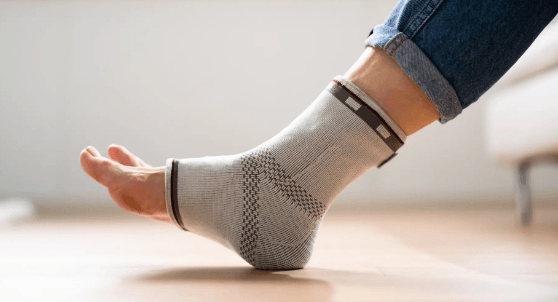
    An ankle support provides compression to the soft tissues surrounding the joint. This compression reduces swelling and provides sensory feedback to your brain. Your brain becomes more aware of your joint position. 

    This helps prevent missteps as a result. Wearing a brace does not weaken your joint when used correctly. It functions as an assisting aid to manage daily discomfort. It offers peace of mind during long walks or extended periods of standing.

    Benefits of Using Ankle Braces Daily

    An ankle brace offers several advantages. 

    • It delivers consistent pressure to control minor inflammation
    • It stabilizes the joint structure during sudden structural shifts
    • It minimizes the discomfort caused by old, recurring injuries
    • It fits easily into standard footwear for discrete daily protection
    • It encourages a more natural walking stride by reducing pain and alignment issues

    These benefits help you maintain your independent mobility throughout the day. Consistent support enables you to focus on your work instead of joint discomfort.

    Types of Ankle Braces for Regular Wear

    Selecting the right ankle aid means being aware that different levels of support suit different daily tasks.

    Compression SleevesStrap and Wrap SupportsLace-Up Braces
    Made from flexible knitted elastic and neoprene fabricSlide smoothly over the foot like a thick sockOffer mild compression and maximum breathabilityBest for all-day office wear and minor fatigue managementFeatures adjustable elastic bands that wrap in a figure-eight patternEnables you to customize the tightness around the heel and archProvide moderate stability for walking and light activitiesIdeal for individuals who experience fluctuating joint swellingUtilize laces to secure the foot firmly inside the deviceOften include removable plastic or metal side insertsRestrict side-to-side movement and enable forward bendingSuited for severe instability and the early weeks of injury recovery

    When to Use an Ankle Support for Daily Use?

    Particular scenarios justify the regular use of an ankle brace. Recognizing these moments helps you protect your joints proactively.

    Recovering From Minor Sprains

    A minor twist can leave ligaments stretched and sensitive. Wearing a support during the weeks after a strain protects the healing fibres. It prevents minor slips from turning into further injury.

    Managing Chronic Joint Weakness

    Some individuals have naturally flexible/weak ligaments. This condition can make the ankle feel unstable on uneven ground. Daily use of an ankle brace provides the firm boundary your ligaments lack.

    Handling Extended Periods of Standing

    Occupations such as teaching and healthcare require prolonged hours of standing on hard surfaces. This constant downward pressure fatigues the muscles around the ankle. An ankle sleeve distributes this pressure more evenly.

    Walking on Uneven Terrain

    Walking on uneven and hard-surfaced grounds increases the risk of a twist. A lightweight ankle brace adds a layer of safety during your daily travels.

    Instructions for Applying an Ankle Brace

    Correct placement ensures your brace functions efficiently without restricting blood circulation. Follow these instructions for a comfortable and productive fit.

    1. Position your foot

    Sit on a comfortable chair and hold your foot at a ninety-degree angle to your shin

    2. Slide on the sleeve

    Pull the sleeve over your toes and heel. Make sure the woven heel pocket aligns with your heel

    3. Secure the straps

    Cross the adjustable straps over the top of your foot and wrap them securely under your arch

    4. Check your footwear

    Put on your shoe and walk a short distance to ensure the fabric does not pinch your skin

    See also: How to Reach Dayara Bugyal from Delhi and Dehradun

    Final Thoughts

    The bottom line? You don’t have to live with daily ankle fatigue. Protecting your ankle mobility begins with just simple measures. That is when an ankle support comes into use. Incorporating it into your routine helps manage joint fatigue and prevents minor discomfort from becoming major setbacks. However, consider your brace as a supportive aid instead of a complete replacement for your body’s natural strength. 

    Match the ankle brace with your activity type and intensity. Assess factors, including the kind of pain and injury you have. Also assess its severity. Consider the intensity of activities you want to engage in, and do not sacrifice circulation for tightness. Again, take breaks to remove the brace. Wash your gear regularly to maintain its elasticity and hygiene. Seek reliable assistance and guidance from healthcare experts. Taking care of your ankles today ensures independent and confident mobility tomorrow.